
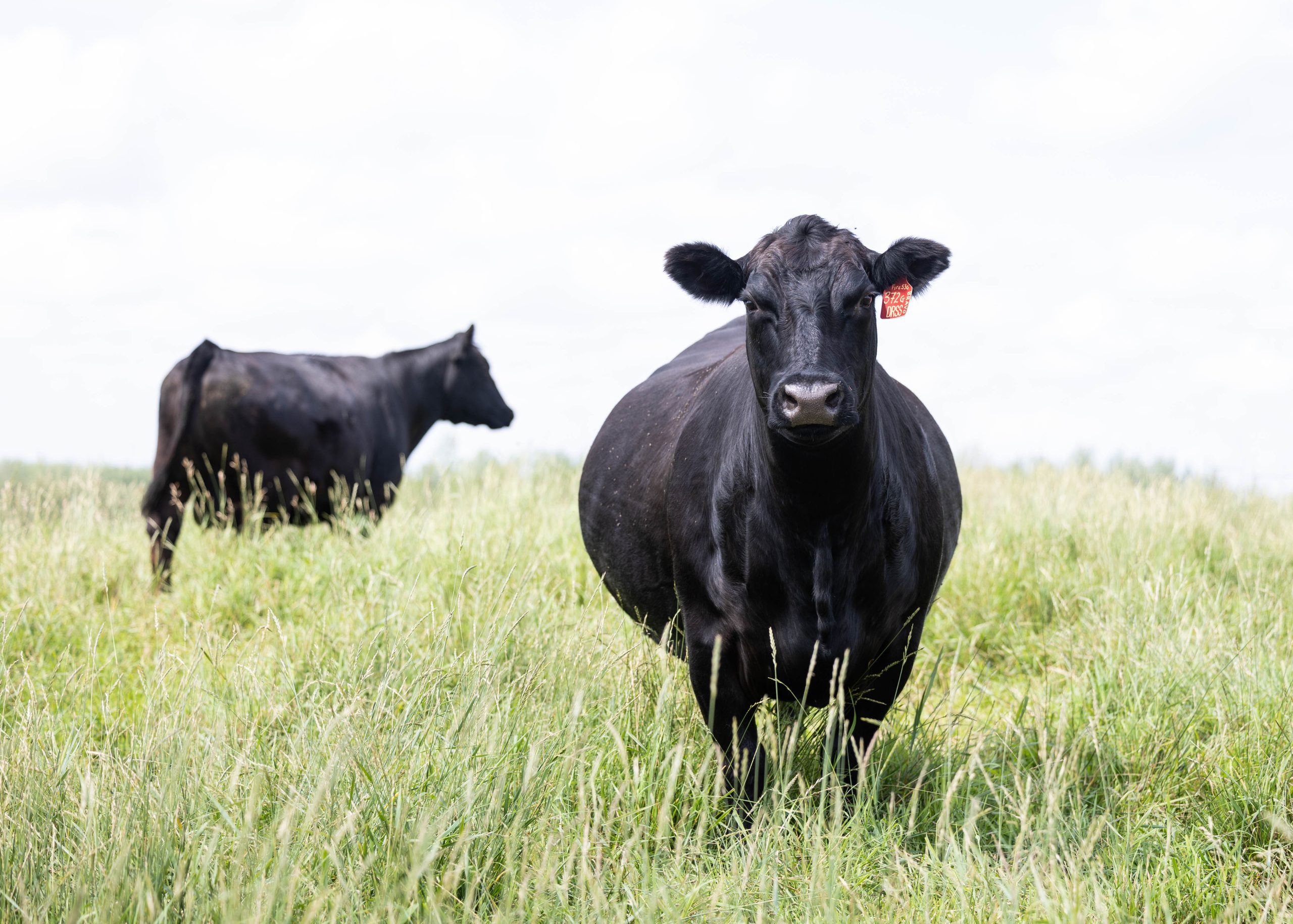
When do you start thinking about your pre-calving cows’ nutrition? Thinking about the nutrients they will need to grow a healthy calf starts long before the crop is seeded. With soil nutrition, cost and the cattle’s needs in mind, a lot goes into feed choices.
Choosing What Forage to Grow
When deciding what forage to grow, it’s important to consider your cows’ nutritional needs. For pre-calving cows, these needs include protein, energy, fibre and calcium. Due to the tonnage provided per acre and its high nutritional content, we choose to mostly grow corn silage.
Benefits of corn silage:
- Corn silage offers high energy
- Cattle enjoy the taste, giving it good intake at the feed bunk
Drawbacks:
- Corn doesn’t offer as much crude protein
- It takes a lot from the soil
Balancing the Crop Rotation
Soil nutrition is vital to continue growing in your fields year after year. To counter what the corn takes from the soil, we seed peas and soft white wheat to balance the crop rotation. The high concentration of peas per acre replenishes the land in off years from growing corn.
This combination of silages balances the cows’ total nutritional requirements for both protein and energy. The pea and soft white wheat silage combo also adds calcium to the cattle’s feed.
With this feeding model of silage that offers crude protein and energy, we can supply our cows with daily dry matter, along with tub-ground straw. Here, we use a combination of cereal and pea straw.
Now, the Vitamins
All of our forages are feed tested. This shows us which vitamins we are lacking so we can add what we need. We balance our total ration with added minerals and vitamins, most importantly calcium, phosphorus and magnesium. Selenium is also important, and an elevated level with 50% chelate inclusion helps maximize overall absorption. Organic selenium also assists embryonic survival while improving immune function and fertility.
- Calcium: the most abundant mineral in the body, involved in many vital functions including bone formation and maintenance, development and maintenance of teeth, blood clotting, membrane permeability, muscle contraction, nerve impulse transmission, heart regulation, milk secretion, hormone secretion, and enzyme activation and function.
- Phosphorus: required for skeletal development and maintenance, normal milk secretion, muscle tissue building, cell growth and differentiation, energy use and transfer, efficient feed use, membrane formation, the function of many enzyme systems, osmotic and acid/base balance, and rumen microorganism growth and metabolism.
- Magnesium: important for enzyme activation, glucose breakdown, genetic code transmission, membrane transport, nerve impulse transmission and skeletal development.
- Selenium: an important part of the enzymes glutathione peroxidase and iodothyronine 5′-deiodinase. Glutathione peroxidase helps prevent oxidative damage to tissues, while the latter enzyme is involved in thyroid hormone metabolism. The functions of vitamin E and selenium are interrelated, and diets low in vitamin E may require selenium supplementation.
Source: The Beef Site, Mineral and Vitamin Nutrition for Beef Cattle
Proper levels of vitamins A, D and E are important. Vitamin E interacts with selenium for improved utilization and overall fertility. Other organic minerals needed include zinc, cobalt, copper and manganese. To get all of these, we include ZinPro Availa 4 in our feed.
Finally, we include yeast in all of our winter cow minerals. This produces an effective pathogen-binding agent designed to reduce gut challenges in the pre-calving cow. It keeps the rumen healthy while helping cows deal with any toxin issues that might be hiding in our winter forages.
With all of these elements in mind, we are able to plant crops that best support our cattle pre-calving, giving them the best chance at growing strong, healthy calves.
This article was originally published in DRSS Insights, February 2025. Download the original PDF.
More From the Farm

Listen to the ABP Podcast Featuring Doug Roxburgh
Sep 22, 2026

Welcome Meghan Speed to the Dun Rite Team
Dec 1, 2025

Factors to Consider When Purchasing Bred Heifers
Oct 1, 2025