
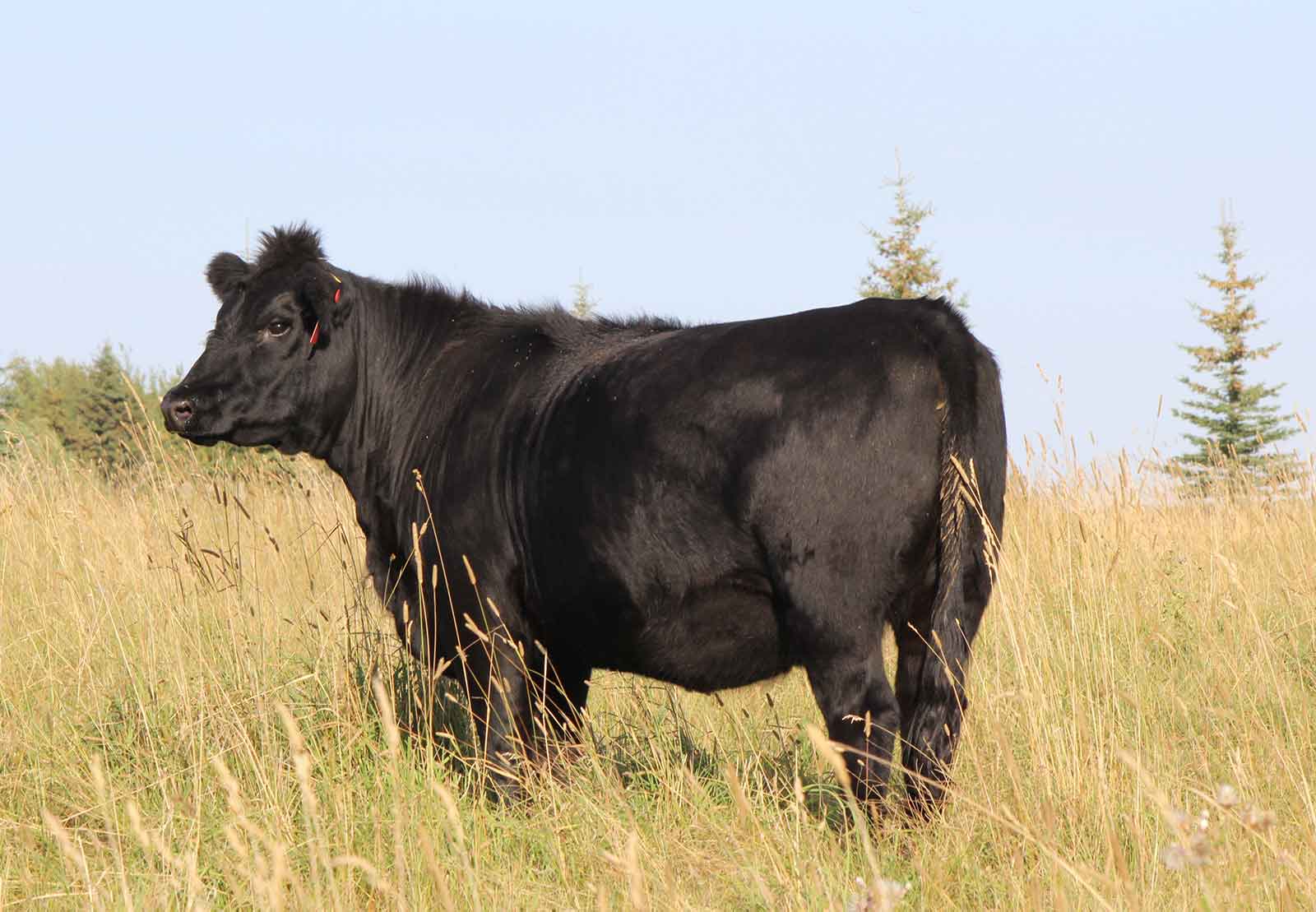
Purchasing bred heifers rather than retaining them from your own herd can bring a lot of improvements into your herd. It allows for rapid herd expansion and, depending on calf prices and cost of production, it may be more economical to purchase. It can also help you avoid post-weaning health issues, death loss risk and other risks that can occur between weaning and breeding.
The Beef Cattle Research Council also notes that purchasing bred heifers can bring new genetics into your herd while reducing the bull power needed, and allows you to grow your herd or change breeding programs more quickly, without the cost and risk of raising heifers from weaning to breeding.
Looking to expand your herd and bring in new genetics, but not sure what to look for? We can help you out.
5 Things to Look for in Bred Heifers
There are a lot of factors to consider when you are looking at bred heifers to purchase. Canadian Cattlemen highlighted five main points:
- Bigger isn’t always better
- Choose from the middle of the herd
- Females should look like females
- Easy fleshing
- Hair coat
Let’s break these points down.
1. Bigger Isn’t Always Better
Canadian Cattlemen suggests that cows that calve earlier in the season are likely more fertile. Choosing your heifers this way places more emphasis on fertility, while bigger heifers can lead to calves that are too big.
2. Select From the Middle of the Herd
It’s important to avoid extremes. Don’t choose the smallest or largest, longest or shortest, or the most or least muscular.
3. Females Should Look Like Females
Heifers that look more like steers could have an endocrine imbalance, meaning their hormones aren’t regulated correctly. If this is the case, she has a higher chance of coming up open. Heifers that look more feminine have a higher chance of being more fertile, maternal and productive.
4. Easy Fleshing
It’s important to find heifers that carry enough flesh going into breeding season. Without it, they are less likely to last in a difficult environment, or may not hold up through lactating and raising a calf.
5. Hair Coat
Because of their higher levels of testosterone, males have coarser hair than females, especially over the head and crest. Highly productive, feminine, fertile heifers will be among the first to lose their guard hairs in the spring. Since they shed sooner, their coats will be soft and smooth compared to males’ coats.
Make the Most of Your Herd Potential
It’s important to purchase bred heifers that will maximize your herd potential. Keeping these points in mind will help you make the best selections of bred heifers this year. Interested in Dun Rite bred heifers? View our bred heifers or contact our team.
This article was originally published in DRSS Insights, October 2025. Download the original PDF.
More From the Farm

Listen to the ABP Podcast Featuring Doug Roxburgh
Sep 22, 2026
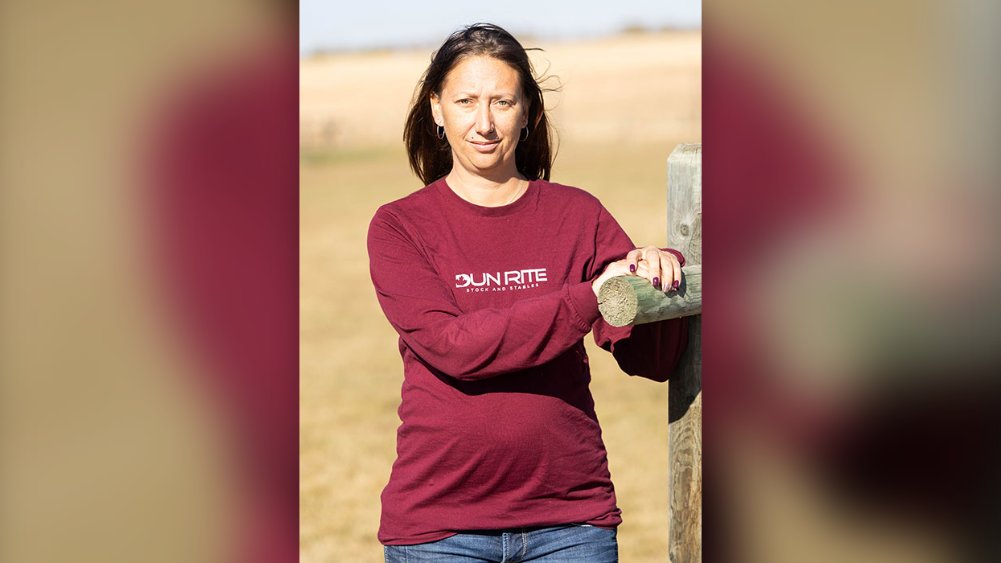
Welcome Meghan Speed to the Dun Rite Team
Dec 1, 2025

Welcome Gavin Vermette to the Dun Rite Team
Sep 4, 2025